Light installations
Light installations
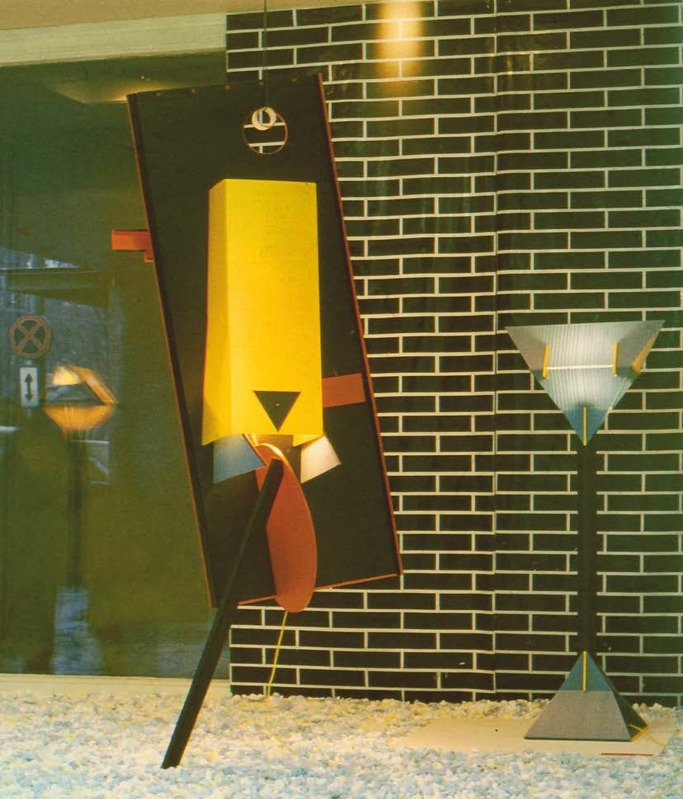
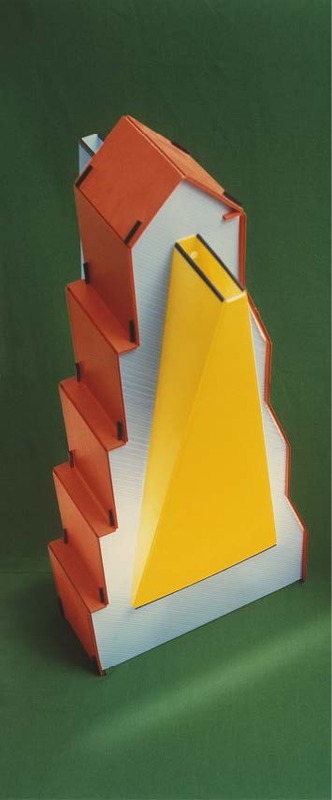
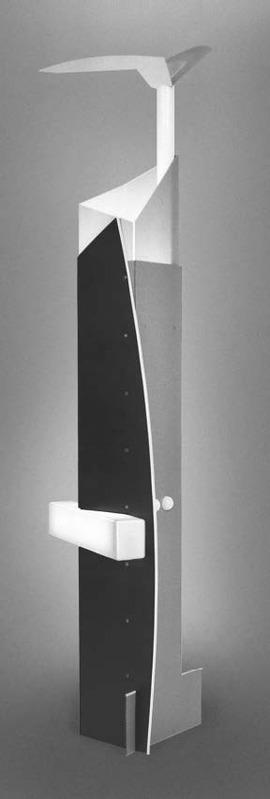
Plastic Gofro light installations “Lonely I, II” and “Leo”, 1987.
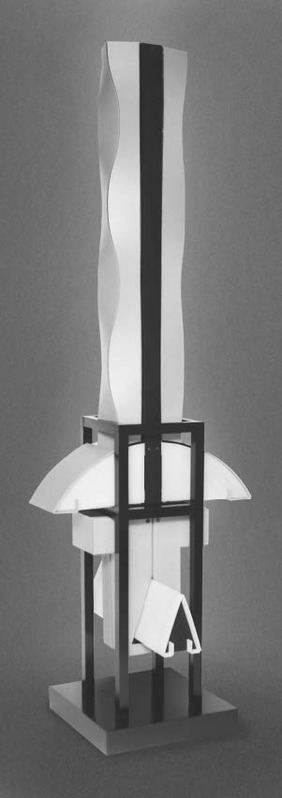
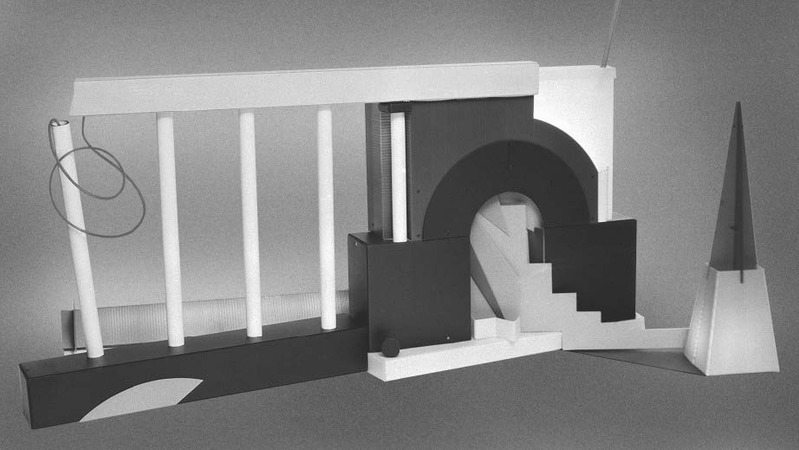
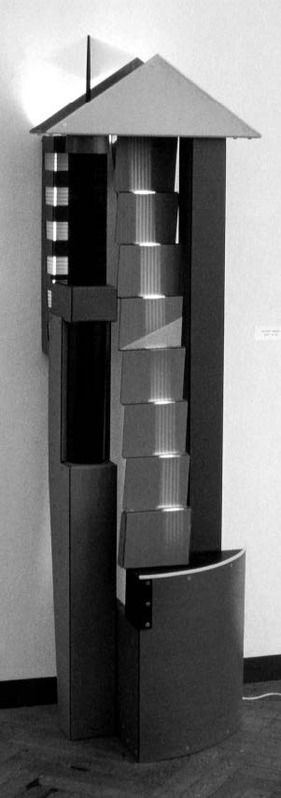
Series of light installations “Architects of Tallinn“, 1987.
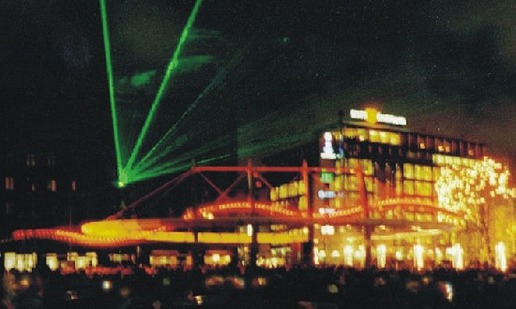
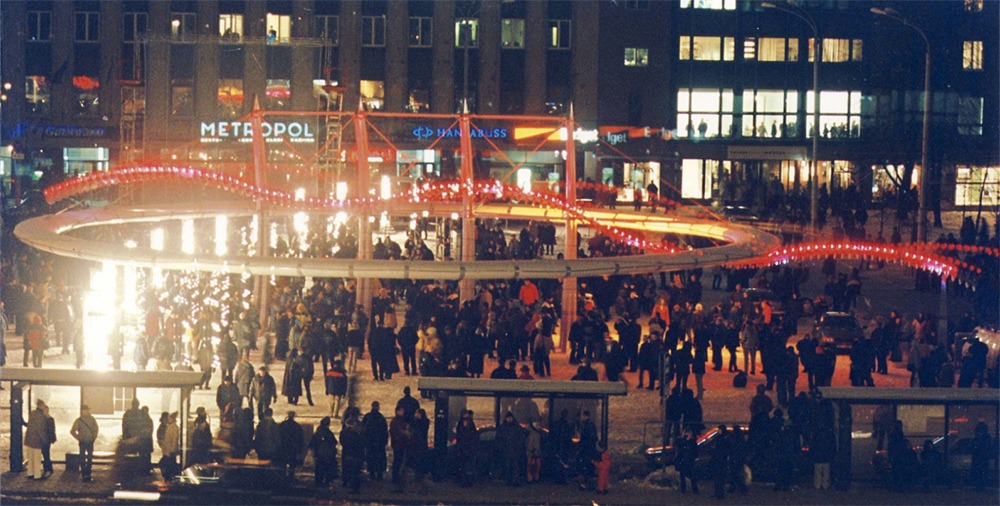
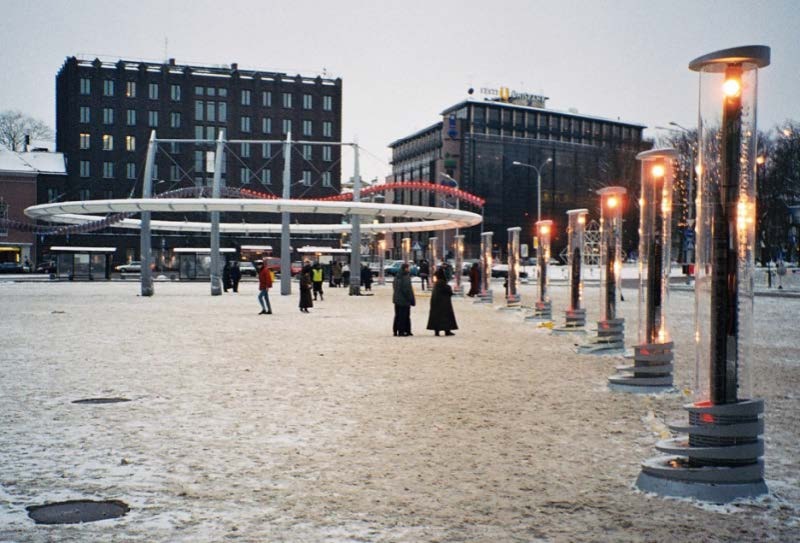
Millennium Project TIME in Tallinn, Estonia
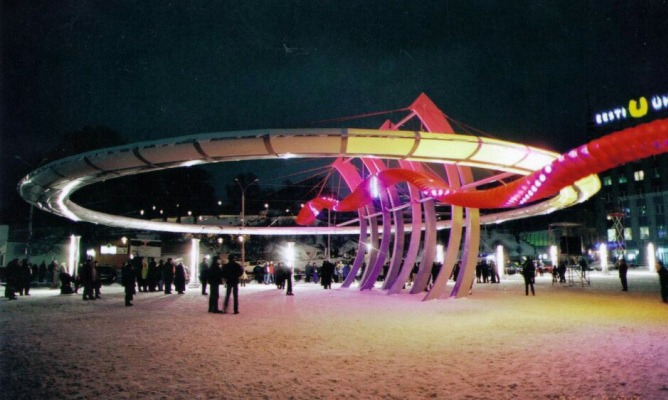
Installation on the central square and a laser clock on the façade of the city government building. 1999/2000
The focus of the millennium project TIME was a light installation in Freedom Square in Tallinn. It comprised the Circle of Life, the Axis of Time, and the 12 Pillars of Time. A clock with three laser pointers, mounted on the facade of the city government building, displayed the real time. The Pillars of Time marked the arrival of the new millennium across different time zones. The light and sound show, which operated in the square for 10 days, resembled a primal ritual aimed at reconciling with the past to establish contact with benevolent spirits for our future prosperity.
Heie Treier

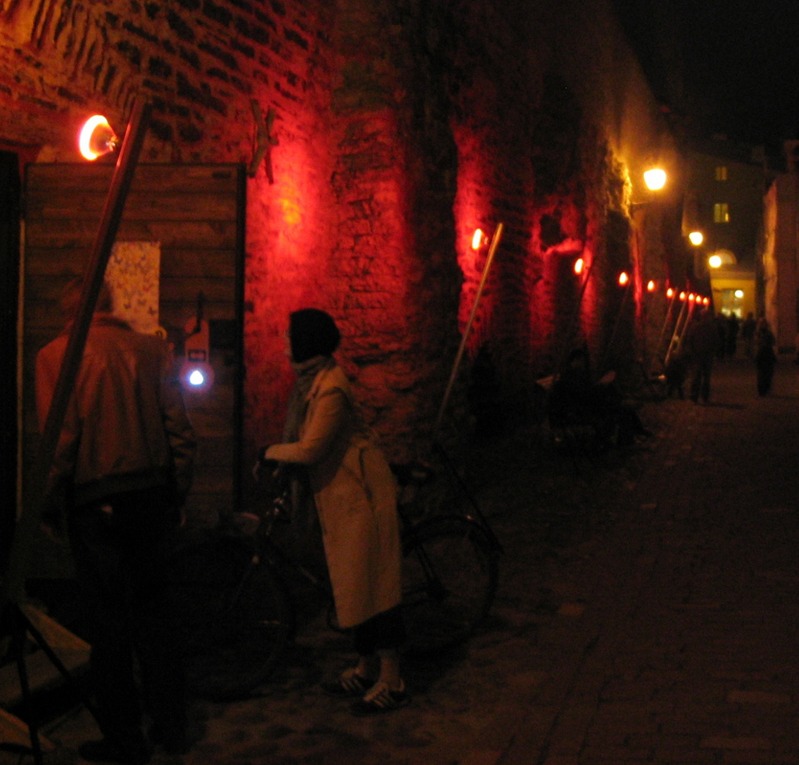
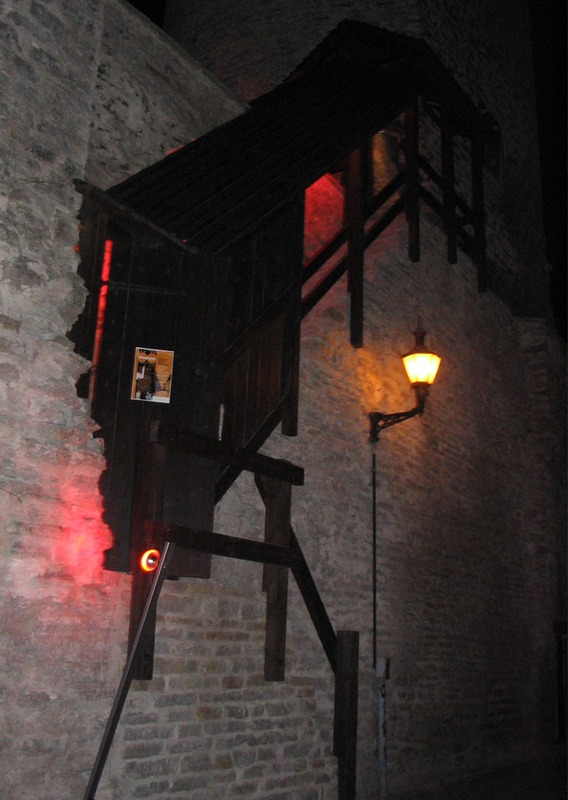
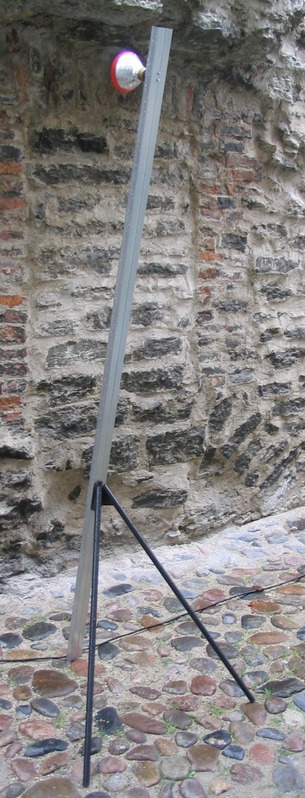
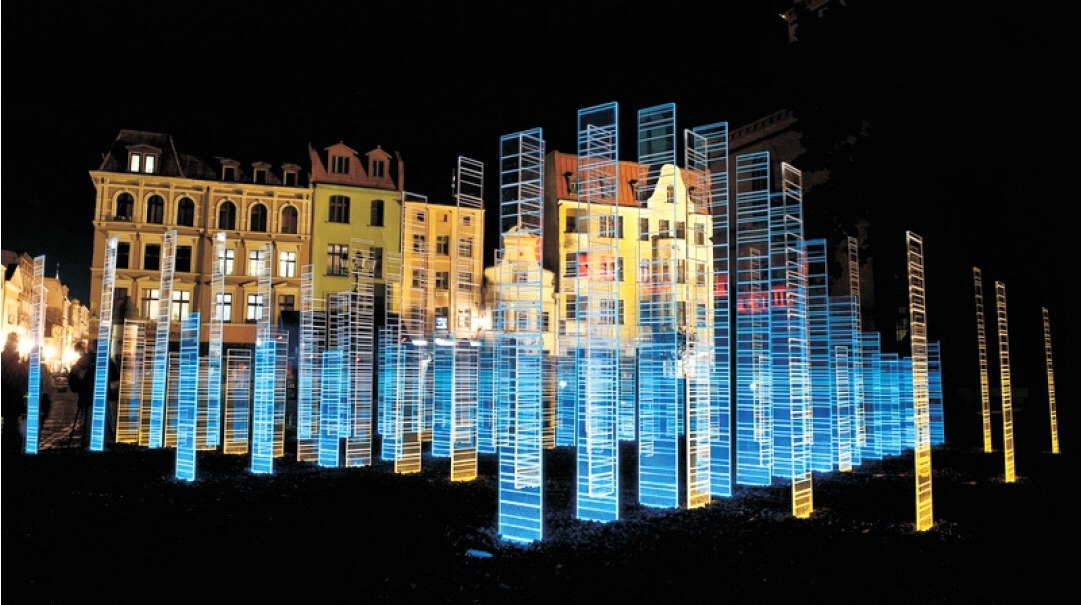
Light installation “Hartmann Grid” in urban open space
Presentation: Tallinn Design Festival, Estonia, 2011
Festivals: “Skyway” in Torun, Poland
“Lux Scientia” in Tallinn, Estonia
“Lumiere”, Durham, England. See here.
The Hartmann Grid is an Earth-based phenomenon first described by Dr. Ernst Hartmann, a German medical doctor. It consists of a network of energy channels forming radiation grids around the planet, with north-south lines appearing every 2 meters and east-west lines every 2.5 meters, while each radiation wall is 21 to 60 centimeters wide and the grid extends horizontally.
Hartmann concluded that the most harmful locations are Hartmann knots, where two Hartmann lines intersect, as these points intensify harmful radiation and prolonged exposure can make humans more susceptible to various diseases. The intersections have polar charges, with positive charges predisposing the body to inflammations and negative charges leading to tumors and rheumatism, making these radiation fields particularly dangerous for people who sleep at these points.
The installation “Hartmann Grid” aims to demonstrate the existence and effects of these natural radiation fields in daily life. The installation features a luminous network at its base with turquoise lighting from north to south and orange from east to west, reflecting how some sensitive people perceive these walls, and the lighting changes periodically. The installation helps raise awareness of the natural radiation fields’ impact on daily living by visually representing the Hartmann Grid’s structure and effects.

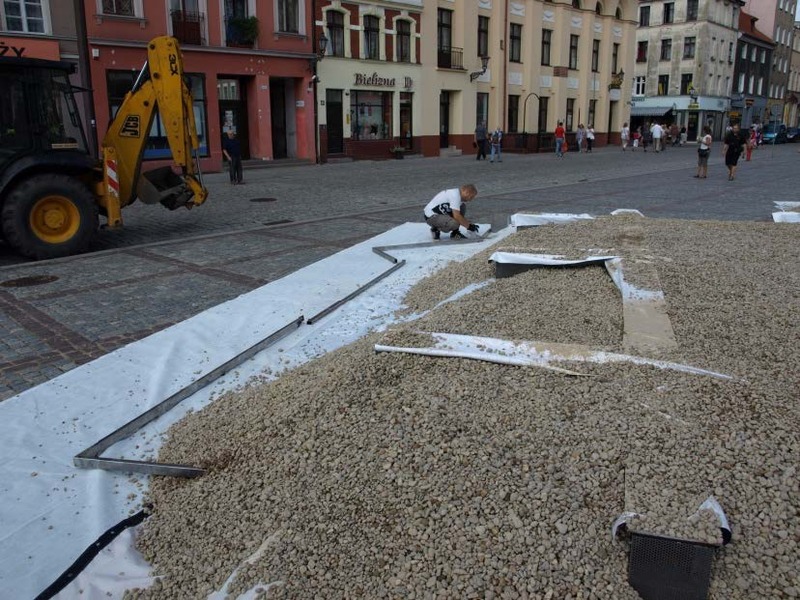
“Arcadia”, 2007
Light installation in Tallinn Design Festival, Estonia